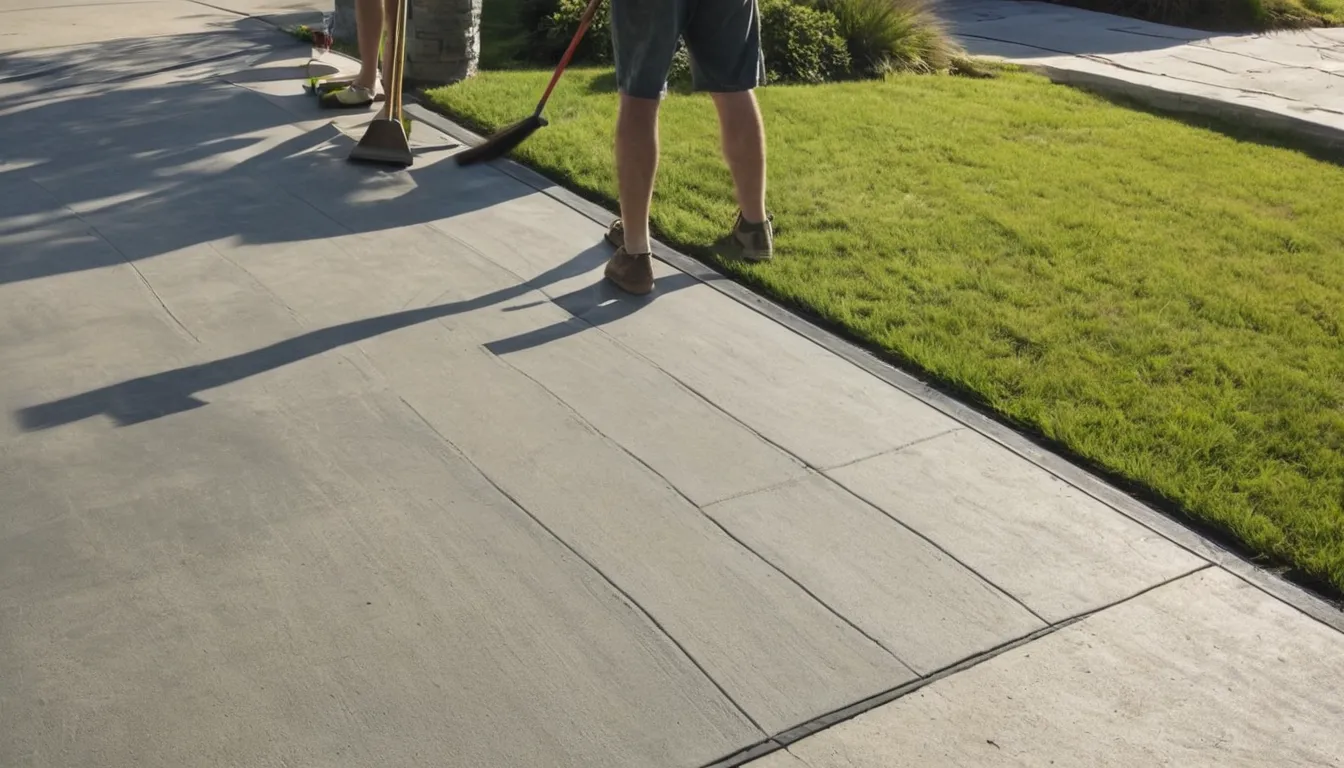
Concrete Driveways Help for Homeowners
Request an estimate for your driveway
A new driveway is a big job, and the first step is not a phone call. It is a folder. Photos, measurements and a short list of what you want make every estimate easier to read and compare.
Kmlovely Concrete is a referral service. We help you get that folder ready, then connect you with independent providers in the Shelton area who pour concrete driveways. The providers do the work. Kmlovely Concrete does not. Request an estimate to get started, or call as a backup to check provider availability. Costs vary by job, so always get a written quote.
Is it time for a new driveway?
First, decide if you need a fix or a full replacement. A new pour makes sense when the slab has failed across most of its surface. One small crack may not need it. Concrete driveway repair can handle minor problems, but replacement is a different job with a different price.
This page covers new driveways only. Kmlovely Concrete is a referral service. We connect homeowners with independent local providers. The providers do the work, not Kmlovely Concrete.
Signs a patch will not be enough
Look for these signs, in this order:
- Deep cracks that run the full width of the slab
- Sections that have sunk, tilted or heaved
- Flaking, crumbling or pitted surface
- Standing water that never drains
- Patches on top of older patches
Two or more of these usually point toward replacement. Cold snowy winters and repeated thaw cycles are hard on older slabs, so these signs are common in our region.
Safety problems come first
Next, check for trip hazards. A raised edge or a deep gap can hurt someone. Mark the spot with chalk, take a photo, and keep the area clear until a provider looks at it.
If the driveway seems to slope toward your house, that is a different question. Water near a stone or block foundation may need foundation repair experts, not just new flatwork. Ask a provider to note it on the estimate.
Notes before quotes: your paperwork list
Then build your folder. Providers can quote faster and more clearly when they see the same facts you see.
Photos to take
- The whole driveway from the street
- Close-ups of each crack or sunken spot
- Where water pools after rain or snowmelt
- The edge where the driveway meets the garage and the street
Notes and measurements
- Rough length and width, plus any curves
- Date you first noticed each problem
- Past repairs, if you know them
- Your wish list: color, finish, wider parking area
These records also help if you talk to your insurer. Some policies may cover sudden damage, so check your policy. Providers can often help document damage for a claim.
What a new driveway project includes
A typical job has these steps:
1. Remove and haul away the old slab 2. Grade the ground and add a compacted gravel base 3. Set forms and, if planned, steel reinforcement 4. Pour, level and finish the concrete 5. Cut control joints so cracks form in neat lines 6. Let it cure before any weight goes on it
Ask each provider to list every step in writing. Missing items are how two quotes end up looking alike but costing different amounts.
Choosing size, thickness and finish
Size first. Measure for the cars you own, plus guest space. Wider turnaround areas add cost but save stress.
Then thickness. Many homeowners see four inches for cars, with thicker slabs for heavy trucks or delivery vehicles. Your provider can advise.
Last, finish. A broom finish gives grip in snow and ice. Smooth finishes look sleek but can be slick. Color and decorative patterns raise the price. This kind of concrete flatwork is where small choices change the total most.
Permits and the street apron
The apron is the part of the driveway where it meets the street. Many towns control its size, slope and materials. Some require a permit, and some inspect the work.
First, ask your town office what applies. Next, ask each provider who handles the permit and who pays the fee. Then get that answer in writing.
Planning for cold and wet weather
Older homes in our region often have full basements and stone or block foundations. Water must flow away from them. Ask each provider how they plan the slope and drainage.
Winter brings frost, road salt and coastal storms. Ask about air-entrained concrete, a mix made to handle repeated thaw cycles. Ask about joint spacing and sealing as well.
Choosing a concrete provider
Use this short checklist when you talk to providers:
- Ask for proof of license and insurance where your area requires it
- Ask to see photos of recent driveway work
- Ask who does the work: their crew or a subcontractor
- Ask what warranty comes with the job, and get it in writing
- Ask for a start window and how weather delays are handled
Note the answers next to each quote. Providers are independent, so terms differ.
Comparing written quotes
Line up your quotes side by side. Check square footage, thickness, base depth, finish, removal, permit work and cleanup. A quote that leaves any of these out is not a full price. Get it in writing before you agree to anything.
After the pour
Curing takes time. Keep cars off the slab for the period the provider gives you, often about a week. Keep foot traffic and pets off at first too.
Sealing and the first winter
Ask when it is safe to seal. Go easy on de-icing salt in the first winter, and use sand for grip instead. Keep your photos and final paperwork in one folder for future reference.
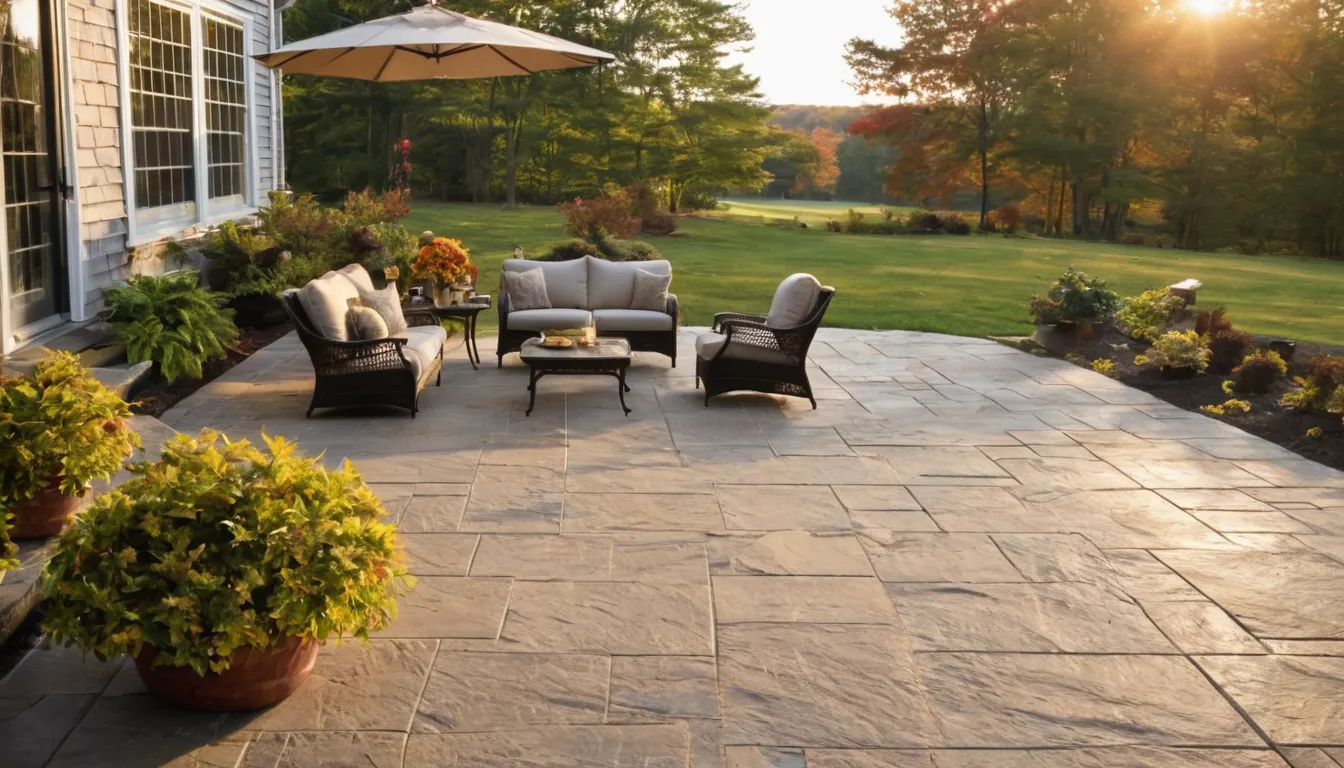
If you also want a stamped finish or an outdoor living space, those jobs have their own pages.
What's Included
Old slab removal
Providers break up the failed concrete and haul it away so the ground is clear.
Grading and base
The ground is shaped and packed with gravel so water drains and the slab sits level.
Forms and pour
Forms set the edges. Concrete is then poured, leveled and finished to the agreed surface.
Joints and curing
Control joints guide cracks. Curing time lets the new driveway gain strength.
Typical new driveway costs in the U.S.
These are typical U.S. ranges only. Your price depends on size, site, finish and local rates, so always ask for a written quote.
| Item | Typical range | Notes |
|---|---|---|
| Plain concrete driveway | $6 – $12 per sq ft | Broom finish, standard thickness |
| Two-car driveway total | $3,500 – $8,000 | Based on roughly 500 to 700 sq ft |
| Old slab removal | $1 – $3 per sq ft | Higher if the old slab is thick |
| Gravel base and grading | $1 – $3 per sq ft | More for sloped or poorly drained ground |
| Color or decorative finish | $3 – $8 extra per sq ft | Stamping, exposed aggregate or tinted mix |
| Permit and apron work | $100 – $1,500 | Varies widely by town and rules |
How It Works
Gather your notes
Take photos, measure the space and write down what you want from the new driveway.
Request an estimate online
Send your details through the form. We connect you with independent local providers.
Compare written quotes
Line up scope, thickness, base, finish, permits and cleanup. Get it in writing.
Choose and schedule
Pick the provider you trust, confirm the start window and keep your paperwork together.
Why Call Kmlovely Concrete
Notes before quotes
Photos and measurements mean providers quote the same job, so you can compare prices fairly.
Clear records
A tidy folder of photos and dates helps with estimates and any insurance conversation.
Local providers
We connect you with independent providers in your area who know local weather and town rules.
No pressure
Request an estimate with no obligation, and take your time comparing written quotes.
Other Services
Need concrete driveways help in Shelton?
Send your project details through the request form, or email contact@kmlovely.garden. Photos and rough measurements help providers give a clearer estimate.
No obligationConcrete Driveways Help FAQ
How long does a concrete driveway last?
A well-built concrete driveway often lasts 25 to 30 years or more. Base prep, thickness, drainage and winter care all matter. Ask providers how they plan for frost, salt and snowmelt where you live.
How much does a new concrete driveway cost?
Typical U.S. prices run about $6 to $12 per square foot for plain concrete. Removal, grading, finish and permits add to that. Prices vary by job, so ask each provider for a written quote.
Do I need a permit for a new driveway?
Many towns require a permit, especially for the street apron where the driveway meets the road. Rules differ by place. Check with your town office, then ask each provider who handles the permit.
Get in touch
Send your project details through the request form, or email contact@kmlovely.garden. Photos and rough measurements help providers give a clearer estimate.
No obligation