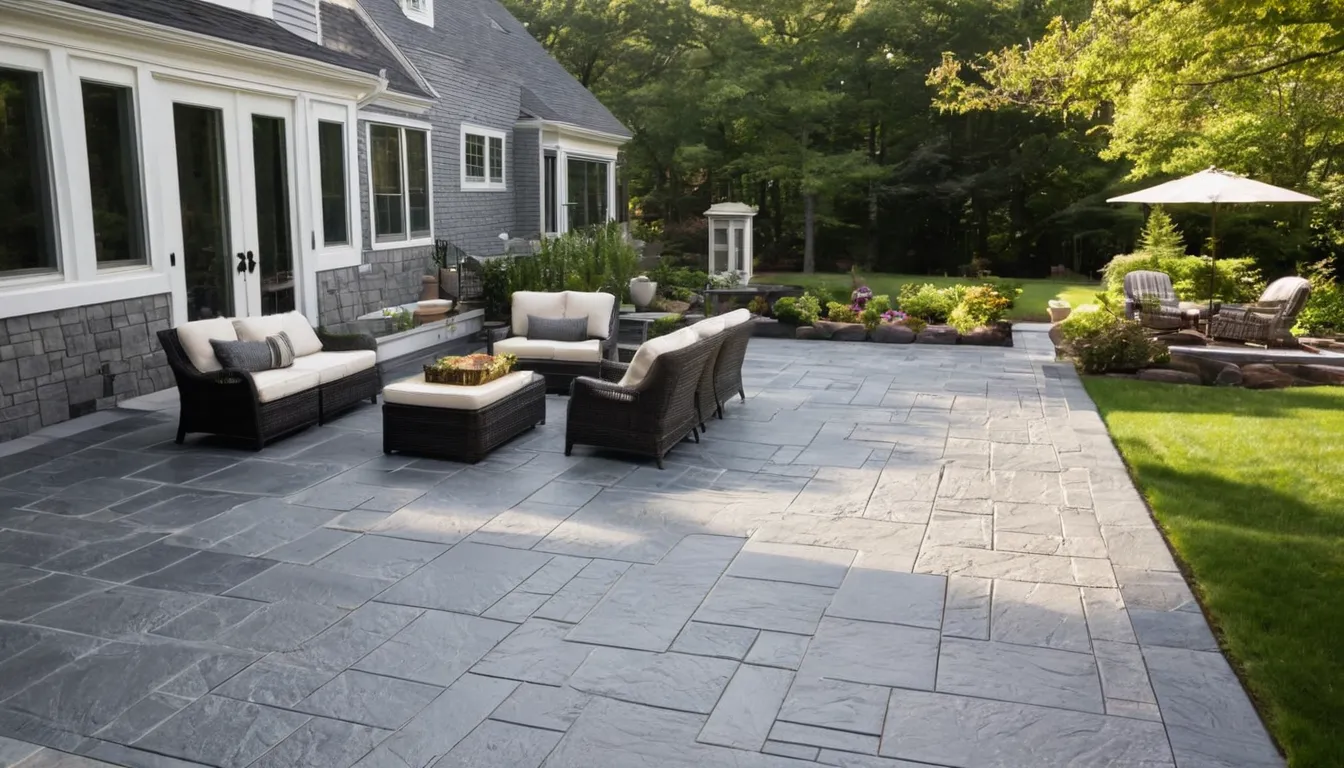
Home Stamped Concrete Help for Your New Project
Request an estimate to start
Stamped concrete is poured concrete with a pattern pressed into the top. It can look like slate, brick, cobblestone or wood. Homeowners choose it for patios, walkways, pool decks and driveways. It gives you a lasting surface without the look of plain gray slab.
Kmlovely Concrete is a referral service. It helps you gather photos, measurements and notes first. Then it connects you with independent providers in the Shelton area who can quote the work. The providers pour and finish the concrete. Kmlovely Concrete does not. With your records ready, it is easier to compare quotes line by line and choose with confidence.
Start Here: Timing Comes First
First, look at the calendar. Stamped concrete needs mild, dry days to pour and cure well. In places with cold, snowy winters, that window is short. Providers fill their spring and fall schedules early. If you want a new patio or walk this year, begin the process now.
Your Prep Checklist
Notes before quotes. Do these in order:
1. Take photos of the area from three angles. 2. Measure the length and width. A rough number is fine. 3. Note where rain and snowmelt run. 4. Save two or three pattern and color pictures you like. 5. Write down any cracks, settling or damp spots nearby.
Providers can quote faster and closer when they see the same facts you see.
Thinking About Stamped Concrete?
Stamped concrete is regular concrete with a pattern pressed into the surface while it is soft. Color goes into the mix or onto the top layer. The result can look like stone, brick, slate or wood. It is a type of concrete flatwork, so it suits patios, walks, pool decks and driveways.
How Stamped Concrete Is Made
First, next, then:
1. First, the provider clears the area, sets forms and builds a firm base. 2. Next, concrete is poured, leveled and colored. 3. Then stamp mats press the pattern in while the surface is workable. 4. Last, joints are cut, the slab cures and a sealer goes on.
Popular Patterns and Colors
- Ashlar slate: a natural stone look that suits patios.
- Brick herringbone: a classic fit for older homes.
- Cobblestone: rustic, often used on borders and driveways.
- Wood plank: a warm look with no rot.
Gray, tan and charcoal are common. Many providers add a second tone for depth. Ask to see sample boards in daylight.
Where Stamped Concrete Works Well
Stamped concrete patios are the most common request. Walkways, porch landings, pool surrounds and driveway aprons come next. A brick-look pattern can suit a Cape Cod style home. A slate look can soften a plain back yard.
Built for Frost and Snow
Cold climates are hard on any slab. Frost, thaw, snowmelt and coastal storms all test it. Ask each provider about:
- Base depth and drainage
- Air-entrained concrete mixes
- Joint spacing
- Sealer type and re-seal timing
Rock salt can dull and pit the surface. Ask which de-icer is safe to use.
Check the Foundation Side First
Older homes often have stone or block foundations and full basements. A new patio should slope away from the house. If you see wall cracks, damp basement walls or a sinking slab, talk to foundation repair experts before anything new is poured against that wall. Add it to your photo notes.
Stamped Concrete vs. Pavers
- Surface: stamped is one seamless slab. Pavers are many small units.
- Cracks: a stamped slab can crack, and cracks are hard to hide. Single pavers can be reset.
- Weeds: stamped has few joints. Pavers need joint sand.
- Upkeep: stamped needs re-sealing. Pavers need occasional re-leveling.
- Price: both vary by pattern and base work.
Neither is perfect. Choose based on your soil, slope and style.
What Drives the Price
Size, pattern, color, base work and access all move the quote. Removing an old slab adds cost. Tight yards slow the work. Get it in writing, with each line item listed.
Keep Your Records Ready
Start a folder, paper or digital. Include:
- Dated before photos
- Written quotes and line items
- Pattern, color and sealer names
- Start and finish dates
- Any warranty papers from the provider
If a storm later damages the slab, these records help. Some policies may cover sudden damage, so check your policy. Providers can often help document damage for a claim. This page is about new work. Concrete driveway repair is a different job.
How Long the Job Takes
Most patios take several days of work, plus curing time. Prep and forms come first. The pour and stamping happen in one session. Light foot traffic is often fine after a couple of days. Vehicles usually wait a week or more. Sealer timing varies, so ask. Rain can shift the schedule.
Caring for Stamped Concrete
1. Sweep often and rinse with a hose. 2. Use a plastic shovel in winter. 3. Skip rock salt when you can. 4. Re-seal every two to three years, or as the provider advises. 5. Fix small cracks early.
Choosing a Provider
Ask each provider the same questions:
- Can you show past stamped work in photos?
- What base and thickness do you plan?
- How will joints be placed?
- Who handles permits, if needed?
- What does the written quote include?
Compare the answers side by side.
How Kmlovely Concrete Helps
Kmlovely Concrete is a referral service. It helps you get your notes in order, then connects you with independent local providers in the Shelton area. The providers do the work. Kmlovely Concrete does not pour or finish concrete.
What's Included
Photo Notes
Dated photos and rough measurements help providers understand your space before they quote it.
Pattern and Color Choices
Slate, brick, cobblestone and wood looks, with color options you can review on sample boards.
Provider Matching
Kmlovely Concrete connects you with independent local providers who handle stamped concrete flatwork.
Written Quotes
Ask each provider to list materials, base work, sealer and cleanup so quotes compare fairly.
Typical Stamped Concrete Price Ranges
These are typical U.S. ranges. Your price depends on size, pattern, base work and access. Treat them as a starting point, and get it in writing from each provider.
| Item | Typical range | Notes |
|---|---|---|
| Stamped patio, per sq ft | $12 – $25 | Complex patterns cost more |
| Small patio, about 144 sq ft | $1,700 – $3,600 | Total job, simple pattern |
| Stamped driveway, per sq ft | $12 – $30 | Thicker slab and more base |
| Added color or second tone, per sq ft | $1 – $3 | Depends on method used |
| Sealer, per sq ft | $1 – $3 | Re-sealing is needed later |
| Old slab removal, per sq ft | $2 – $6 | Higher with poor access |
How It Works
Gather Your Notes
Take photos, measure the area and save pattern and color ideas in one folder.
Request an Estimate
Send your project details so Kmlovely Concrete can match you with local providers.
Compare Written Quotes
Check base work, pattern, color, sealer and timing across each quote.
Choose and Schedule
Pick a provider, confirm the start date and keep every paper.
Why Call Kmlovely Concrete
Notes Before Quotes
Photos and measurements give every provider the same facts to price.
Clear Comparisons
Line-item quotes show where one price differs from another.
Local Providers
Independent providers know frost, drainage and local permit habits.
No Pressure
Request an estimate with no obligation and decide on your own time.
Other Services
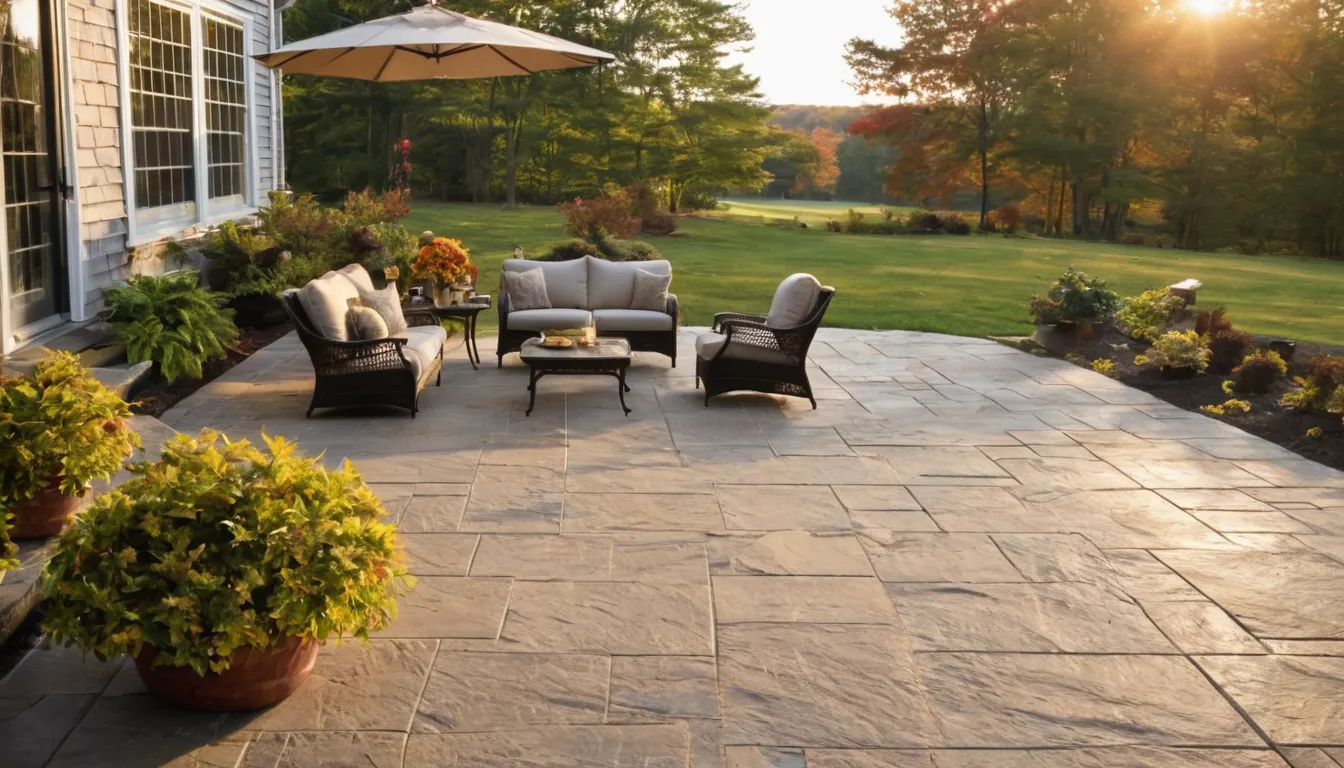
Need home stamped concrete in Shelton?
Send your project details through the request form, or email contact@kmlovely.garden. Photos and rough measurements help providers give a clearer estimate.
No obligationHome Stamped Concrete FAQ
How much does stamped concrete cost per square foot?
Typical U.S. prices run about $12 to $25 per square foot for patios. Pattern, color, base work and site access change the total, so ask for a written quote before you decide.
Is stamped concrete a good choice in cold, snowy weather?
It can work well when the base, drainage, joints and concrete mix suit frost and thaw cycles. Ask providers how they handle those points, and use sealer and gentle de-icers as advised to protect the surface.
How long should I wait before using a new stamped patio?
Light foot traffic is often fine after a couple of days, while vehicles and heavy items usually wait a week or longer. Weather and sealer type matter, so follow your provider's written advice.
Get in touch
Send your project details through the request form, or email contact@kmlovely.garden. Photos and rough measurements help providers give a clearer estimate.
No obligation